Mark Turovetskiy
Physicist, entrepreneur, innovator.
Studies how ideas evolve from hypothesis into working systems — through technologies, markets, machines, people, and the realities of business.
Does it in practice: in his own ventures and through his work at LAB412.
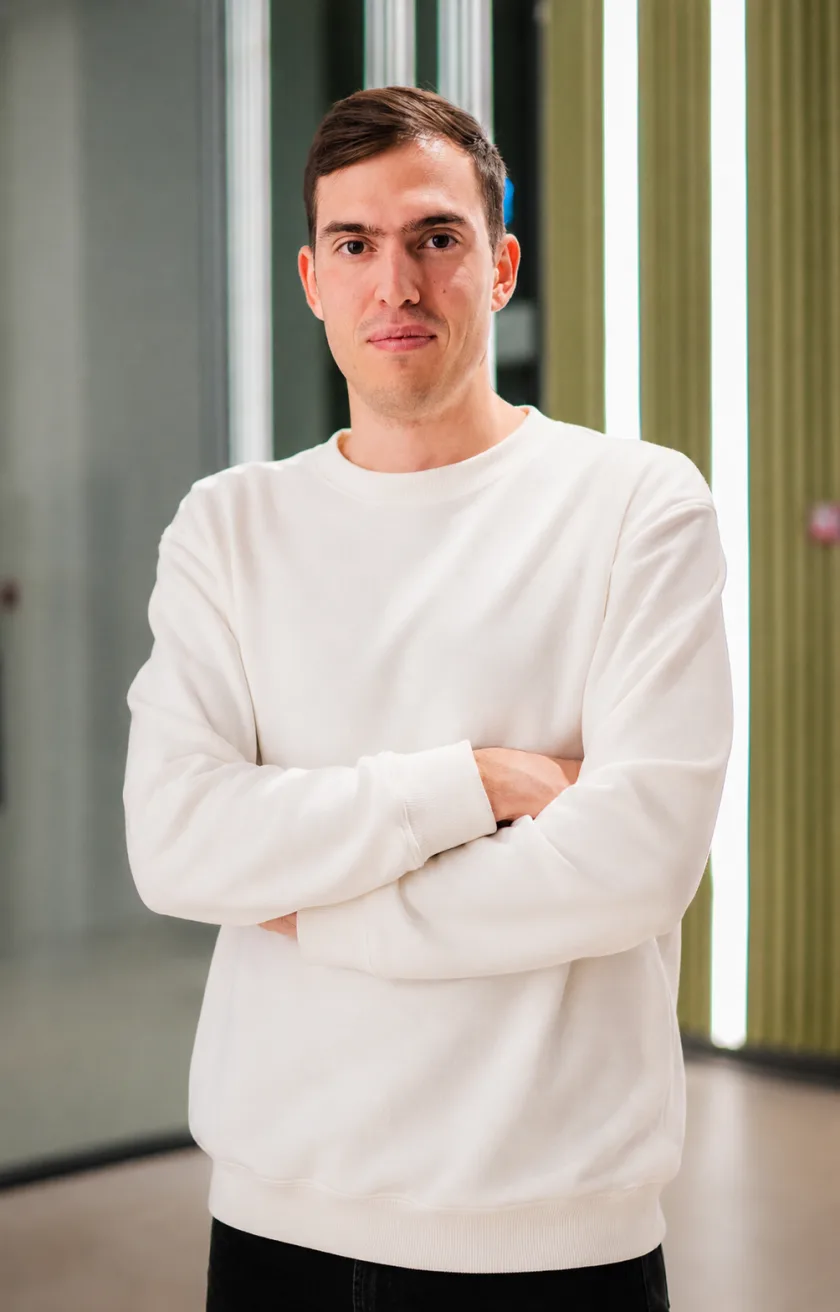
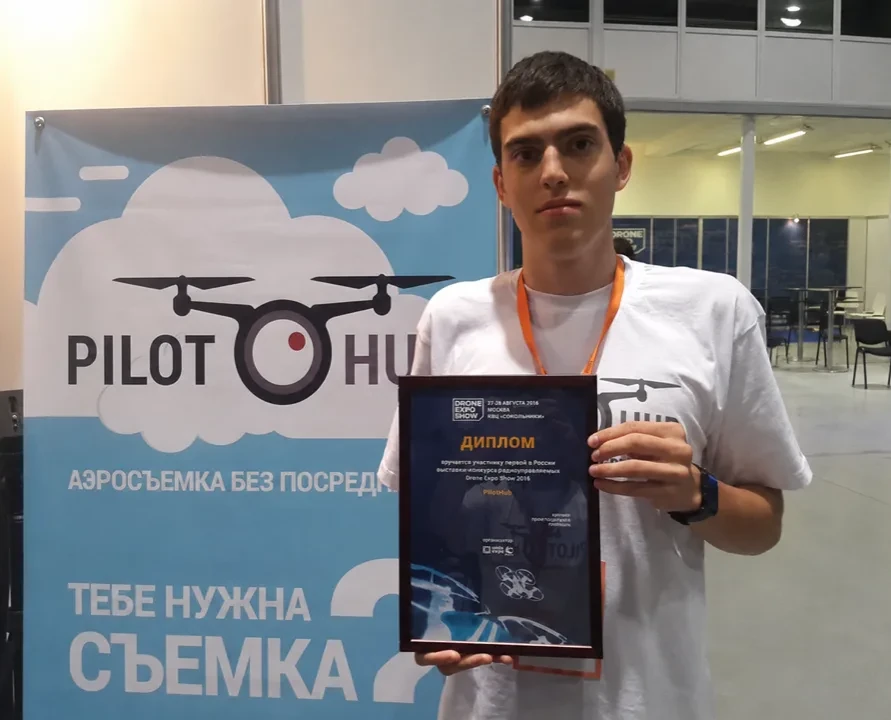
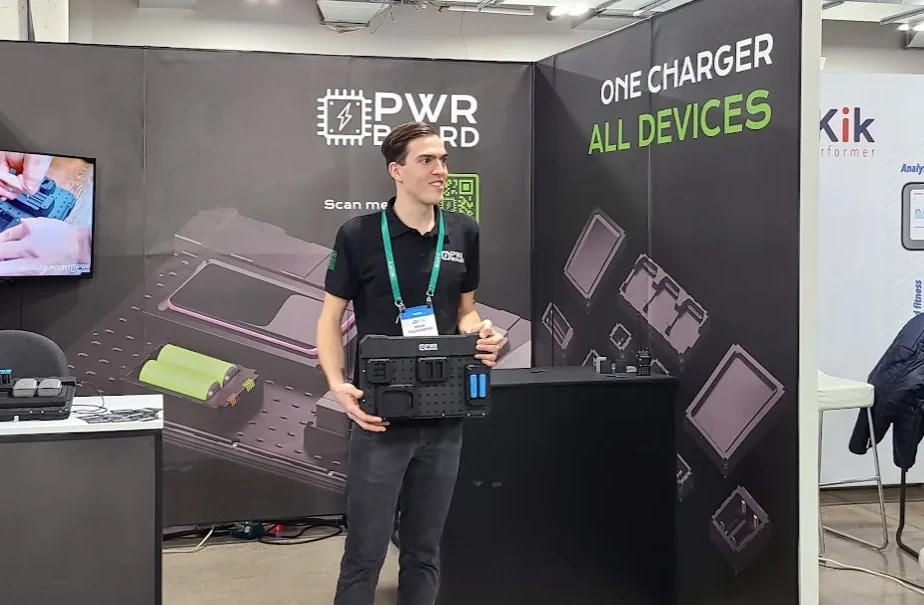
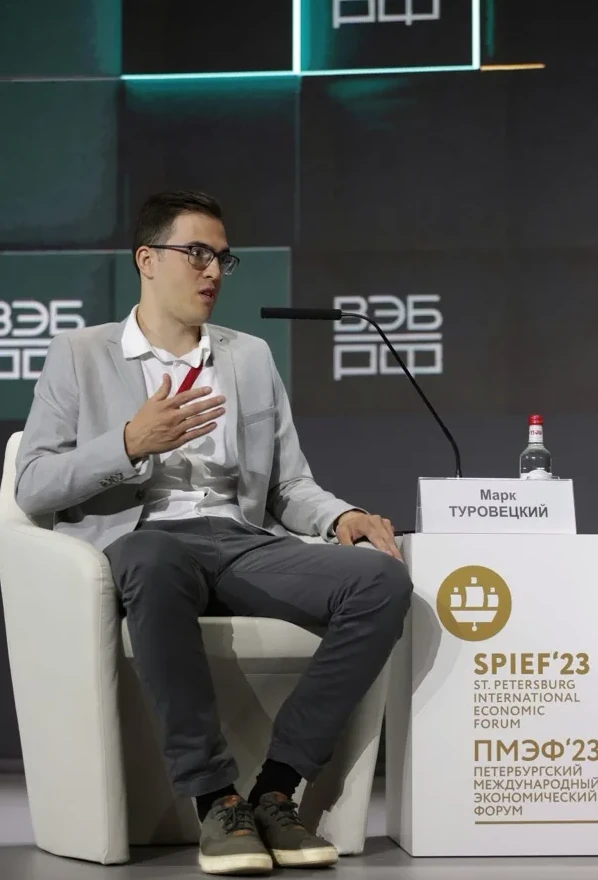
I’ve always been drawn to the moment a new idea stops being a clean concept and runs into reality — manufacturing, markets, people, deadlines, money, and the systems already in place.
That moment has looked different in every project. In one, it meant building a startup from zero. In another, running a dozen experiments. In another, rebuilding a process that had run “the usual way” for years. In another, launching a new line of business inside an operating company without breaking what it already runs on.
A distinct layer of the work happens inside companies that are already running — from the inside, at the level where decisions are made. In one such project I joined a high-tech infrastructure business as its director of development (CBDO): GPU computing, an in-house engineering team, expensive hardware, heavy capital expenditure.
The task wasn’t to invent a new product, but to build an operating model around strong technology — rebuilding sales and positioning, setting up the processes and the brand, reshaping the core product. In the first year the company reached profitability and doubled its revenue. Today it’s named among the leading GPU providers in the region.
Some of the work reflections end up in my notes — about technology, systems, mistakes, and the gap between what sounds right and what actually works.
Today my work is based around LAB412 — an applied innovation laboratory.
LAB412 works on the exact problems I kept arriving at over the years, again and again. They usually come in a few shapes: a strong technology with no business around it yet; growth that has outpaced the operating model; a new line of business to launch inside an operating company without breaking what already works; or an out-of-the-box problem at the intersection of disciplines, where no established framework exists.
On every project, I'm hands-on: framing the problem, diagnosing the system, choosing the approach, and making the decisions that determine the outcome. Some I run entirely myself. The team is always assembled around the specific context — engineering, product, operations, or research.
Read more on the LAB412 page, get in touch directly, read my notes on the website, or follow along on LinkedIn — where I share observations and context on what I'm working on now.